
-
Comparison 1: A 50 kW wind turbine vs. rooftop Jinko Solar N-type Tiger Neo 440W modules
-
Comparison 2: A surge protector add-on vs. no lightning protection on the electrical panel
-
Comparison 3: Solar maintenance vs. wind turbine maintenance—and the wages behind the invoices
-
Bottom line: which route would I pick now?
In February 2024, my boss dropped a folder on my desk and said, “we need to cut the electric bill by a third.” I'm the office administrator for a 210-person manufacturing company in Concord, North Carolina. Purchasing is my lane—janitorial supplies, maintenance contracts, office furniture, roughly $1.9 million in annual vendor spend (about $1.7 million after a vendor consolidation in 2024). Renewable energy wasn't in my lane.
When the leadership team asked whether we should seriously look at rooftop solar or a small wind turbine, the project landed in that same folder. I spent the next several months comparing the two the only way I know how: quotes, spreadsheets, and site visits. This is written for other buyers rather than engineers.
The comparison framework had three parts: real-world output, electrical protection, and long-term maintenance. Each one changed my thinking in a different way.
Comparison 1: A 50 kW wind turbine vs. rooftop Jinko Solar N-type Tiger Neo 440W modules
The turbine bid arrived first. One 50 kW tower behind our warehouse. The price per installed watt looked reasonable, and the sales sheet projected a 20% capacity factor. Then I checked the local wind resource and the whole picture changed.
NREL's wind resource maps rate most of Cabarrus County as poor to marginal for distributed wind. Plain English: average wind speeds at tower height around here are low. A turbine doesn't produce when the wind doesn't blow. Even a good capacity factor leaves a lot of idle hours spread across a 25-year service life.
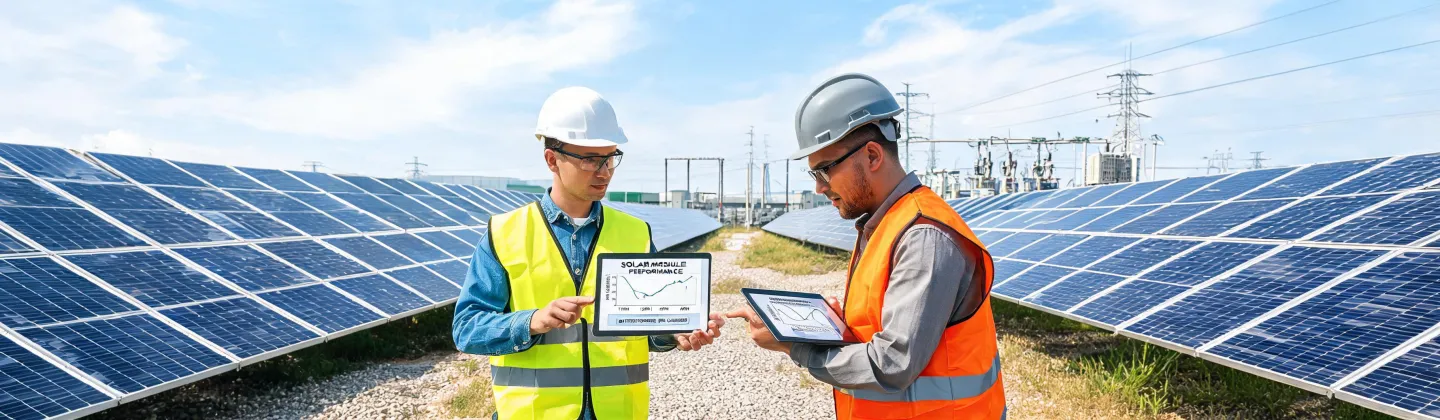
The solar bids told a more boring, more reliable story. Our roofs sit in full sun, and solar production in the Carolina Piedmont has a much narrower range of outcomes. I asked each vendor to quote the project with Jinko Solar panels. The model that came up most often was the Jinko Solar Tiger Neo 440W, from the N-type TOPCon line.
Why did the N-type option matter to a non-engineer? Three specs, translated. N-type modules carry a better temperature coefficient (-0.29%/°C on the Tiger Neo data sheet), so they hold power better on hot afternoons. They don't suffer from the light-induced degradation that showed up on older P-type designs. And the warranty is written as a 30-year linear power output, not a vague promise.
The N-type premium in my quotes ran about $0.04/W over the least expensive P-type option—call it three to five cents, depending on the bid. That is where I almost made the mistake this article is about. The P-type modules were cheaper, and they would have been a false economy for a roof that needs to produce for three decades. No price per watt makes up for energy that never gets generated.
First conclusion: at this site, solar beat the turbine. Not because wind is bad, and not because turbines are inferior. We have properties where the math would flip. But for a warehouse roof in Concord, the Jinko Solar N-type array produced more energy per dollar over the system's life. The wind option looked plausible on paper. The paper was wrong.
Comparison 2: A surge protector add-on vs. no lightning protection on the electrical panel
Rooftop solar means long DC cable runs in an exposed location. Lightning doesn't have to hit your building to wreck equipment. A strike a mile away can induce a surge through those cables and into your inverter and main electrical panel. The defense is a surge protective device, or SPD.
The first proposals handled this inconsistently. One vendor included a Type 2 SPD in the main scope. Another listed it as a $450 extra: a lightning surge protector for the electrical panel, installed at the service entrance. I was ready to delete it to stay under budget. Then a September 2024 thunderstorm made the decision for me.
The storm didn't hit our building. It hit somewhere nearby and sent a surge through the utility feed. It took out a variable-frequency drive. Replacement: $2,200 for the part, another $600 in electrician labor, and a half day of downtime. It took one invoice to teach me that surge protection is part of the system, not an accessory.
After that, I searched for “surge protector installation Concord NC” and called three licensed electrical contractors. Quotes for a UL 1449-listed Type 2 SPD in the main panel came in between $400 and $650. There was a $220 gap between the lowest bid and the work I approved. A few years ago I would have picked the low bid. This time I paid for a contractor who bonded the system correctly and handed over the manufacturer's spec sheet.
The final solar design included an AC SPD on the main panel plus a DC-side surge protector near the inverter and combiner. The inverter replacement quote we collected during the process was $2,400. The entire surge protection package cost about a fifth of that. If you're weighing a lightning surge protector for your electrical panel, stop weighing and price the inverter instead.
Second conclusion: the smallest line item in the solar bid was the one I most nearly got wrong. Surge protection isn't an optional upsell for a rooftop array. It's a $450 part protecting a $2,400 inverter and every other electronic load in the building. Skipping it wasn't a cost decision. It was a bet against the same storm that had already cost us once.
Comparison 3: Solar maintenance vs. wind turbine maintenance—and the wages behind the invoices
Somewhere in the middle of this process, our maintenance supervisor asked me, “how much do people make working on wind turbines?” It seemed off-topic. It wasn't.
Maintenance cost is mostly labor cost. The Bureau of Labor Statistics' May 2023 data—the latest national numbers when I checked in January 2025—put the median wage for wind turbine service technicians around $61,770 a year. The same survey put the median for solar photovoltaic installers around $48,620. Wind techs earn the higher number; climbing towers and working near rotating machinery is genuinely hard skill. But if you are buying a system, that wage difference shows up on the service invoices.
A small wind turbine has moving parts. On most models that means a gearbox, blade-pitch mechanisms, yaw drives, and brakes. Those parts wear. A rooftop solar array has no moving parts on the generation side; the inverter is the only major component with an expected lifespan, usually 12 to 15 years. After that, the rest is visual inspection and panel cleaning.
Common planning figures used by independent O&M consultants put PV operating costs at under 1% of installed cost per year. Distributed wind service contracts typically run 2% to 3%, and the labor market explains why: fewer qualified technicians, a higher wage, more specialized tooling. That's not an argument against wind at a genuinely windy site. At a marginal site, however, the operating cost per kWh becomes brutal.
Third conclusion: the turbine didn't lose because it was loud or ugly. It lost because a machine with moving parts costs specialist money to maintain, and low wind speeds gave us fewer kWh to spread that cost over. Solar gave us a predictable cost curve. Predictability is a value, and it has a price.
Bottom line: which route would I pick now?
The answer depends on the site. I know that sounds like a non-answer, but it's the correct one.
Choose rooftop solar if your building has usable roof space and your region has decent sun. We specified Jinko Solar N-type Tiger Neo 440W modules, added a listed Type 2 SPD at the electrical panel, and kept the DC-side surge protection near the inverter. I would not swap modules without reviewing spec sheets and the warranty language.
Choose a small wind turbine if you own open land, verified wind speeds at hub height from actual measured logs, and a service budget that includes specialist technicians. Wind is a legitimate technology—just not for a warehouse lot in the Carolina Piedmont. If someone hands you wind data, ask for the raw logs before you sign.
I'll be transparent about the doubt. The N-type change order sat on my desk for two weeks while I second-guessed the three-to-five-cent premium. I didn't relax until the system received permission to operate in January 2025 and the monitoring app showed a full week of output near the model. I still check the app every morning. Old buying habits die hard.
The broader lesson matches what I've learned in every other purchase. Value beats price. The lowest first cost rarely wins a 25-year argument. The numbers that matter belong to a system matched to the site, protected against the environment, and cheap to maintain. All prices and wages mentioned above come from January 2025 quotes or the most recent BLS OEWS survey; verify current rates and incentives before you sign anything. At least, that's been my experience with one roof in Concord. Your project deserves its own model.