Brand Logo
Applications

Choose Jinko Solar product support by project environment

Utility, commercial, community, and solar plus storage projects need different evidence. This page turns application context into a practical checklist for module selection, battery storage coordination, inverter compatibility, and documentation review.

Guided cards

Four common renewable energy buying situations

Each application below includes the questions a professional buyer should ask before comparing Jinko solar panel price, reviewing Jinko Solar module specifications, or requesting storage-ready project support.

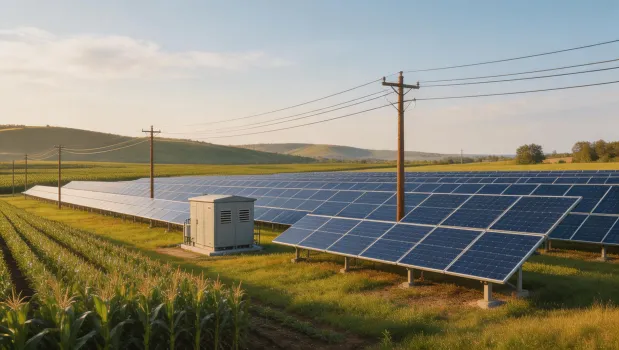
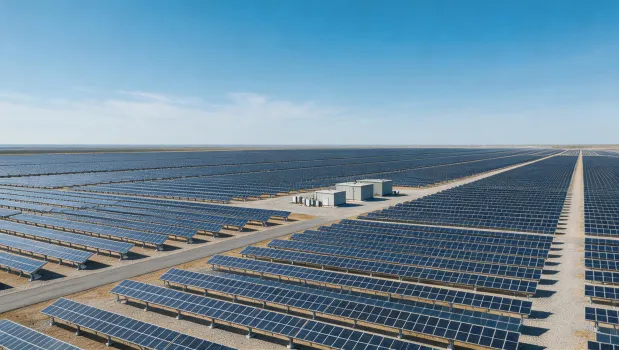
Utility PV plant application

Utility Solar Plants

IPP and developer teams need DC block planning, degradation assumptions, tracker interface notes, and warranty terms that can survive lender review.

  • Confirm IEC and UL module files
  • Model ≤0.4% per year degradation assumptions
  • Coordinate module binning and delivery windows
Commercial rooftop solar application

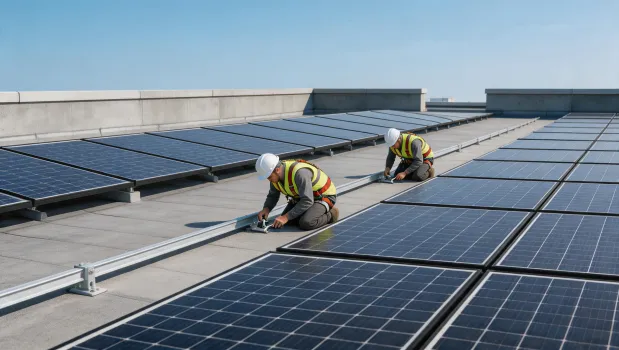
Commercial Rooftops

C&I owners and EPC teams balance roof loading, fire access, module dimensions, inverter location, and tenant operating schedules.

  • Review panel dimensions and handling notes
  • Document product warranty boundaries
  • Plan replacement and service access routes
Community solar application

Community Solar

Regional developers need repeatable product packages that can be used across multiple interconnection queues without rewriting every procurement file.

  • Standardize module options by market
  • Prepare subscriber-facing performance notes
  • Keep delivery terms consistent across phases
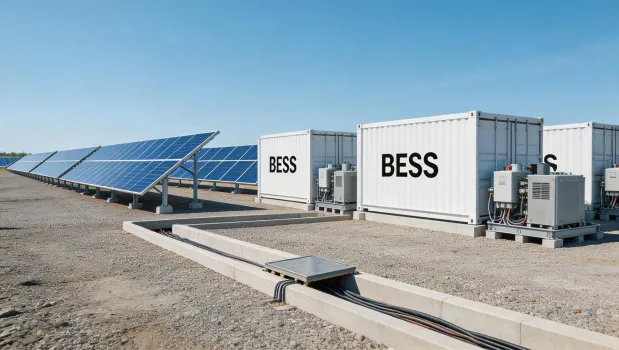
Solar plus storage application

Solar Plus Storage

Hybrid plants must connect module selection to battery capacity, inverter clipping strategy, dispatch expectations, and operational monitoring requirements.

  • Separate nominal and usable battery capacity
  • Align PV output with storage duty cycle
  • Clarify inverter and grid-code assumptions
Selection guide

Match inquiry details to the right review path

A useful Jinko Solar inquiry is specific. Tell the project desk whether the site is rooftop or ground mount, whether battery storage is planned, what market certification is required, what delivery month matters, and whether your team needs warranty review, datasheets, or installer documentation first.

Technical Trade-offs

TOPCon vs. HJT: the next-generation n-type cell debate

Buyers asking for n-type module supply commonly weigh TOPCon against HJT. Both are commercial in 2025 but address different constraints. We summarize the engineering trade-off here rather than advocate a single technology in every brief.

TOPCon

Compatible with upgraded PERC production lines, which keeps capital intensity and per-watt cost competitive. Mass-production cell efficiency above 25% and module power above 580 W in the 2024-2026 generation. Currently the dominant n-type capacity expansion path globally.

HJT

Theoretical efficiency ceiling close to 29% with a low-temperature symmetric process and a more favorable temperature coefficient (around -0.24 %/C). Strongest long-term path when stacked with IBC or perovskite tandem layers. Higher capex, lower yield curves still maturing.

Jinko Solar can share IEC 61215 / IEC 61730 / UL 61730 certification files and bifacial gain measurements so the cell-technology question is ansJinko Solarred on field data.

Application support

Bring the project context before selecting a module list.

Jinko Solar can help compare PV modules, storage-ready system notes, solar inverter assumptions, and compliance files once your application profile is clear.