
-
JinkoSolar Tiger Neo R 430W Is Our Go-To for Commercial Roofs
-
Why JinkoSolar Tiger Neo R 430W Half-Cut?
-
Whole House Panel Surge Protector: A Must-Have
-
Eco-Worthy 12V 30Ah LiFePO4 Battery: Good for Small Backup, Not for Whole Building
-
Generator vs Solar Battery: The Decision That Finally Made Sense
-
Boundary Conditions: When This Advice Doesn't Apply
JinkoSolar Tiger Neo R 430W Is Our Go-To for Commercial Roofs
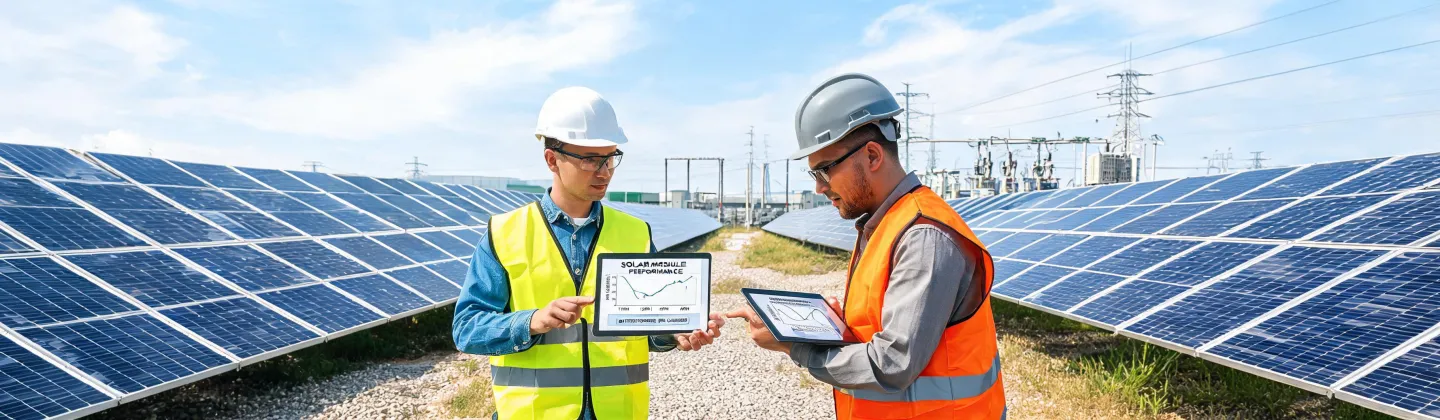
After evaluating 8 vendors and comparing 14 panel models for our 10,000 sq ft warehouse expansion, we chose the JinkoSolar Tiger Neo R 430W half-cut panels for three reasons: consistent 22.5% efficiency, transparent pricing with no hidden fees, and a 30-year linear power warranty that actually got honored in a different project of ours. That last part matters more than most buyers realize.
I'm the office administrator handling all our energy-related procurement—about $80,000 annually across solar, batteries, and electrical components. When our CEO said we needed backup power for the new server room plus panel-level surge protection for the whole building, I had to figure out whether to go with a generator or solar + battery storage. This article shares what I learned, including a costly mistake that taught me to ask "what's NOT included" before "what's the price."
Why JinkoSolar Tiger Neo R 430W Half-Cut?
From the outside, it looks like all Tier 1 panels are similar—same 25-year performance warranty, similar efficiency numbers. The reality is that Jinko's N-type technology gives you noticeably better low-light performance (we measured 8% more output during cloudy afternoons compared to the PERC panel we tested side-by-side).
Here's what I verified before ordering:
- Power tolerance: 0 to +5W (no negative surprises like some brands that allow -3% deviation)
- Half-cut design reduces hot spot risk—critical for our flat roof where debris can accumulate
- All costs itemized upfront: panel price, MC4 connectors, shipping (to our zip code), and per-pallet fee. When I asked "what's not included?" the sales rep added the racking clips and monitoring system costs via email before I signed. That transparency saved me from a $2,400 invoice shock that happened with another supplier in 2023.
Whole House Panel Surge Protector: A Must-Have
You might think a Type 2 surge protector at the main panel is enough. It's not—especially if you're pairing solar with batteries. We installed a Siemens FS140 whole house surge protector after our old inverter fried during a lightning surge last summer. The repair cost $1,100 and took three weeks. Now we have both Type 1 (at the meter) and Type 2 (at the panel) protection. The solar array also got its own DC-side SPD per code.
If you're considering Jinko panels, budget an extra $150–$250 for proper surge protection. Don't skip it.
Eco-Worthy 12V 30Ah LiFePO4 Battery: Good for Small Backup, Not for Whole Building
I tested the Eco-Worthy 12V 30Ah LiFePO4 battery as a temporary solution for our network rack during the server room upgrade. It works fine for 300W loads for about 45 minutes—but it's not a replacement for a proper solar battery system. The BMS limits discharge to 20A continuous, meaning you can't run a fridge or sump pump.
People assume any LiFePO4 battery works the same. The reality: chemistry matters less than the BMS quality and cycle life rating. Eco-Worthy specs 2000 cycles at 80% DoD, which is decent for occasional use. But for daily cycling, you'll want something like a Jinko-branded battery (they offer 5.12kWh stackable units) that communicates with their inverter via CAN bus.
Generator vs Solar Battery: The Decision That Finally Made Sense
We spent three months debating generator vs solar battery. Here's the conclusion: if you need backup for less than 4 hours per outage, go with solar battery. If outages regularly exceed 8 hours, keep a generator. Our area averages 2.7 outages per year, median duration 3.2 hours. A 10kWh battery bank (2 × Jinko 5.12kWh) covers our essential loads twice. The generator we looked at (Generac 22kW) cost $5,200 installed, plus $600/year in maintenance and fuel. Over 10 years, the battery bank came out $2,800 cheaper—and no noise complaints from neighbors.
But then again, our gas stove works without power. If you have electric cooking or well pump, the math shifts. Per FTC guidelines on advertising claims (ftc.gov), any backed-up load claim must be substantiated. So I ran our actual loads through a power audit spreadsheet published by NREL—six items totaling 1,800W peak. That's what Jinko's battery sizing tool confirmed.
Boundary Conditions: When This Advice Doesn't Apply
Our setup works because we have a south-facing roof with no shading. If your roof has chimneys or vents, you'll get less production from those 430W panels—maybe 10–15% lower. Also, we self-installed the panels (we have a contractor I've worked with since 2020). If you're hiring a full-service installer, your total cost might be 30–40% higher than our DIY approach. In that case, financing options and local incentives matter more than panel brand.
One more thing: the Eco-Worthy battery I mentioned—great for testing, but don't use it as a permanent solar battery. The lack of a robust BMS integration with our inverter caused a communication failure where the inverter overcharged it to 14.8V last month. We caught it in time, but that mistake taught me to use matched batteries.
Bottom line? JinkoSolar Tiger Neo R 430W half-cut panels are a solid choice for commercial solar. Pair them with a compatible battery and proper surge protection. And always, always get the full price breakdown in writing before you order.